Recycling and Sustainability
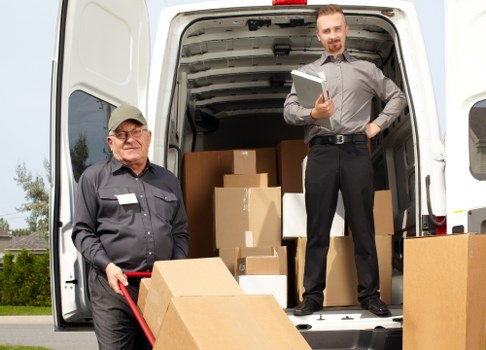 Our recycling and sustainability approach is built around practical action, cleaner collections, and smarter recovery of materials across the communities we serve. We aim to keep reusable items, metals, wood, cardboard, plastics, and electrical waste moving back into circulation instead of heading straight to disposal. By focusing on efficient sorting, responsible routing, and lower-emission transport, we help households and businesses reduce waste while supporting a more circular local economy.
A major part of that work is our recycling percentage target: we are committed to diverting 90% or more of suitable collected material away from landfill and toward reuse, recycling, or recovery. This target shapes how we plan each collection, how we separate loads, and how we choose downstream processing partners. It also keeps our recycling service aligned with wider sustainability goals, encouraging higher-value recovery wherever possible. In practical terms, this means paying close attention to material quality at the point of collection so more items can be processed efficiently rather than rejected.
 We also support residents and organisations with an approach that reflects local waste habits and borough-level expectations. In many boroughs, waste separation is increasingly specific, with paper and card kept apart from food waste, glass collected separately, and dry mixed recycling handled with care to reduce contamination. Our recycling services are designed to fit into that structure, making it easier to sort mixed loads responsibly and move materials to the right facility for further treatment.
For many collections, the next step is one of the region’s local transfer stations, where waste can be consolidated, checked, and directed into the most suitable recovery stream. Using transfer stations helps reduce unnecessary mileage, improves logistics, and creates a more efficient path from pickup to processing. It also allows us to separate different waste types more effectively, so recyclable materials are not lost within general disposal routes. This is especially valuable for larger clearances, multi-site operations, and recurring commercial collections where volume and variety can change from job to job.
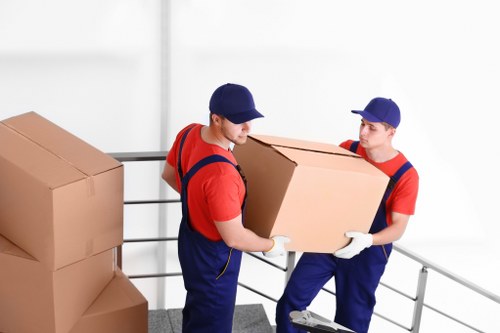 Our sustainability strategy also depends on the transport fleet itself. We increasingly use low-carbon vans to cut emissions on local routes and lower the environmental impact of everyday collections. These vehicles help reduce air pollution in busy neighbourhoods while supporting quieter, cleaner service operations. Combined with smarter route planning and fuller load optimisation, the shift to low-carbon vans plays a key role in making waste removal and recycling collection more climate-conscious from start to finish.
Beyond logistics, we place strong emphasis on giving materials a second life through partnerships with charities and community organisations. Reusable furniture, textiles, office items, and household goods are often identified for donation where they can still be used safely and effectively. These charity partnerships help extend the life of valuable items, reduce the volume of waste requiring treatment, and support local causes at the same time. In this way, sustainability is not only about recycling what cannot be reused, but also about preventing waste in the first place.
We also recognise that different types of waste call for different handling methods. Cardboard and paper are separated for high-grade recycling where possible, metals are recovered for reprocessing, and certain plastics are sorted based on their recyclability and end-market demand. Wood, bulky packaging, and mixed commercial waste are assessed carefully so that recoverable components can be removed before residual material moves on. This layered process makes our recycling and waste recovery work more efficient and supports better environmental outcomes over time.
Another important part of our service is helping collections stay clean and uncontaminated. Even small amounts of incorrect material can reduce the quality of a load and make processing more difficult. That is why our recycling methods prioritise careful segregation, clear handling, and attention to the specific requirements of each waste stream. In boroughs where separation rules are strict or where mixed waste is discouraged, this disciplined approach helps ensure materials are handled in a way that matches local expectations and broader sustainability aims.
 As part of our wider environmental commitment, we continue to review how collections are carried out, where materials are taken, and which partners can provide the best outcomes for reuse and recovery. Our sustainable recycling approach is not based on short-term fixes; it is designed to improve steadily through better vehicle choice, responsible sorting, and closer alignment with local infrastructure. Every step matters, from the point of pickup to the final processing stage.
 The result is a recycling service that supports cleaner communities and a more responsible use of resources. By combining a high recycling percentage target, local transfer station use, charity partnerships, and low-carbon vans, we create a system that is practical, efficient, and environmentally aware. For homes, offices, and commercial premises alike, this means waste can be handled with greater care and a stronger focus on reuse, recovery, and long-term sustainability.