Furniture Removals in
If you are planning a house move, office relocation, or a single-item pickup and need dependable Furniture Removals in , the right local team can make the process far easier from start to finish. Moving furniture is rarely just about lifting boxes. It involves careful planning, protecting valuable items, dealing with access issues, and making sure everything arrives safely in the right place. Whether you are moving out of a flat, a family home, a rented property, a retirement apartment, or a commercial premises, a professional furniture removal service can save time, reduce stress, and help you avoid damage.
Local customers often look for a service that understands the practical realities of moving in and around the area. That includes narrow streets, shared driveways, parking restrictions, stairs, lifts, tight hallways, and awkward loading points. A trusted team offering furniture removals in knows how to work around those challenges while keeping your move organised. From dismantling beds and wardrobes to transporting sofas, desks, dining tables, and office furniture, the service is designed to be efficient, careful, and tailored to your needs.
For many households and businesses, moving furniture is the part of relocation that causes the most concern. Large items can be heavy, fragile, and difficult to manoeuvre, especially through period properties, upper-floor flats, basement conversions, or busy commercial buildings. That is why local moving support matters. It is not just about the van; it is about the right planning, the right equipment, and a team that knows how to handle furniture with care.
Local Furniture Removals Designed Around Real Moves
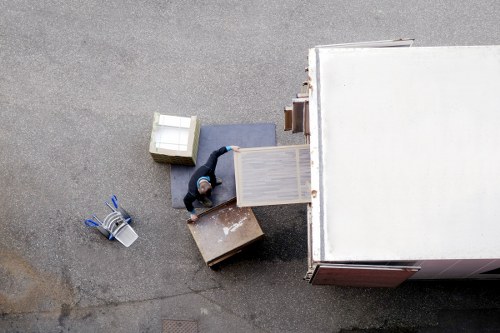
Every move is different, and local furniture removals should reflect that. Some customers need help with a full property move, while others only want certain items taken from one address to another. Some need same-day collection after a sale or purchase, while others are planning ahead for a long-distance relocation. Whatever the situation, a good furniture moving service should be flexible enough to handle a range of household and business requirements.
In a typical local move, the process often begins with discussing what needs moving, where the items are going, and whether there are any access concerns. That might include limited parking, narrow entrances, top-floor access, or pieces that need to be taken apart before they can be moved. These details matter because they affect the time, equipment, and number of movers required. By planning properly, the move can be carried out more smoothly and with less disruption.
People looking for Furniture Removals in often want reassurance that their items will be handled as if they were the mover’s own. That includes wrapping delicate surfaces, using trolleys or lifting aids where suitable, protecting floors and door frames, and loading the vehicle in a way that reduces movement during transport. For many customers, that careful approach is what turns a stressful day into a manageable one.
What Our Furniture Removal Service Can Include

A furniture removal service can be adapted to suit different homes, offices, and types of furniture. Some customers only need transport, while others need more hands-on help with dismantling, wrapping, lifting, loading, and reassembly. The exact service depends on your move, but common features often include a practical mix of planning and careful handling.
Typical furniture removals may involve:
- Careful collection and delivery of individual furniture items
- Full or partial house furniture moves
- Office desks, chairs, cabinets, and meeting room furniture
- Beds, mattresses, wardrobes, chests of drawers, and bedside tables
- Sofas, armchairs, coffee tables, and media units
- Dining tables, chairs, sideboards, and display cabinets
- Protective wrapping for fragile or high-value pieces
- Dismantling and reassembly where needed
- Loading, secure transport, and unloading at the destination
Some customers also request help with furniture bought or sold privately, items being moved into storage, or bulky pieces that need to be delivered to a different property. A local team can often handle these smaller moves just as efficiently as a full relocation, which is particularly useful if you only need a few items moved but want them treated with the same level of care.
Why Local Knowledge Matters for Furniture Moving
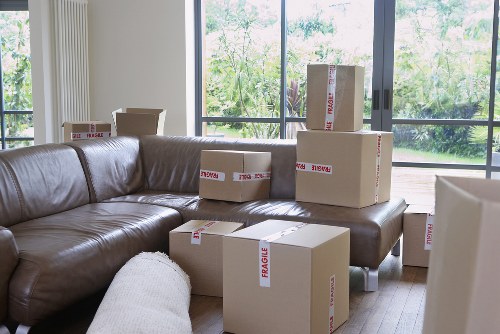
Choosing a local company for furniture removals in offers practical benefits that are easy to overlook until moving day arrives. Local movers are often more familiar with the area’s roads, traffic patterns, parking limits, and property layouts. That means they can plan the vehicle access and arrival timing with greater confidence, helping to reduce delays and avoid unnecessary complications.
Local knowledge is especially useful in neighbourhoods with a mix of housing types. You may be moving from a terraced house with limited on-street parking, a modern apartment block with lift access and loading restrictions, a converted building with narrow staircases, or a business premises with shared parking. These situations call for a team that can adapt quickly and work safely in tighter spaces. A local mover understands that the move itself is only one part of the job; getting furniture in and out of the property matters just as much.
For commercial customers, local expertise is equally important. Office furniture removals often need to be completed with minimal disruption to business operations, and timing is everything. A mover who knows the area can help coordinate arrivals, manage loading access, and keep the process efficient. Whether you are relocating a small office, refurbishing a workspace, or transferring a few items between sites, a dependable local service can help keep the day on track.
Residential Furniture Removals for Homes of Every Size
House moves come in many forms, and Furniture Removals in should be able to support them all. Some customers are moving from a compact flat and only need assistance with a sofa, bed, and dining set. Others are relocating a full family home and need help with every room, including heavy, awkward, or valuable pieces. In both cases, the aim is the same: to move furniture safely, with minimal disruption and as little stress as possible.
Residential moves often involve a wide variety of items, each with different handling needs. Upholstered sofas can be awkward to turn through tight corners. Large wardrobes may need to be dismantled before they can be removed. Glass-fronted cabinets and polished tables require extra protection. Even a simple bed frame can become challenging if stairs are steep or the hallway is narrow. That is why using a furniture removal team is often a sensible choice, especially when time, safety, and preservation matter.
For many families, one of the biggest advantages of hiring a local furniture mover is the ability to keep things organised. Instead of trying to borrow a van, recruit helpers, source blankets or straps, and manage loading alone, you can work with a team that already has the tools and experience to get the job done. That leaves you free to focus on the parts of the move that require your attention, such as keys, utilities, and settling into the new property.
Common residential situations
- Moving into a first home or rental property
- Relocating between flats, maisonettes, or houses
- Transporting furniture into storage during renovations
- Moving bulky items after buying or selling them privately
- Clearing furniture before decorating, remodelling, or downsizing
If your move involves a mixture of items, it helps to speak clearly about what needs moving and where each piece is going. This allows the team to plan the route, estimate the labour involved, and decide whether dismantling or protective wrapping will be required.
Commercial Furniture Removals for Offices and Business Premises

Furniture removals are not only for homes. Businesses in and around also need efficient moving support, particularly when offices are being refurbished, expanded, relocated, or reconfigured. Office furniture removals can involve desks, chairs, filing cabinets, reception furniture, shelving, boardroom tables, and storage units. In many cases, these items need to be moved with care to avoid damage and to reduce downtime for staff.
A good commercial move starts with a clear plan. The team needs to know what is being moved, whether there are lifts or stairs, whether furniture must be dismantled, and whether the move needs to happen outside normal business hours. Many commercial clients value a service that works quickly and quietly, while still keeping items safe and organised. That is especially important in busy office blocks, retail units, shared business spaces, and professional premises where access may be restricted.
Furniture Removals in for businesses can also help during partial moves, internal rearrangements, and storage transitions. Not every company is relocating to a new address. Some only need to clear a floor for refurbishment, move a department to another level, or remove outdated furniture before new items are installed. In those situations, a local mover can support the practical side of the project without causing unnecessary disruption.
Business customers often ask for help with:
- Office relocations and workstation moves
- Meeting room and reception furniture transport
- Archive shelving and storage cabinets
- Furniture rearrangement during refurbishment
- Delivery and placement of new furniture items
How the Furniture Removal Process Usually Works

Knowing how the service works can make planning much easier. While every move is different, furniture removals usually follow a straightforward process designed to reduce hassle and keep everything on schedule. The more accurate the information you provide at the start, the easier it is to arrange the right support for the job.
Step 1: Discuss the move. Share what furniture needs to be moved, the pickup and delivery locations, and any access details such as parking, stairs, or lift restrictions. If some items need dismantling or special protection, mention that too.
Step 2: Plan the right approach. The team can then assess the likely labour, vehicle size, and handling requirements. This helps ensure the move is practical and suitable for the amount of furniture involved.
Step 3: Prepare the furniture. Depending on the service, items may be wrapped, protected, or dismantled before loading. Good preparation helps reduce the risk of scratches, chips, or breakage.
Step 4: Collect and transport. The movers load the furniture carefully, secure it for transport, and travel to the destination using the most suitable route.
Step 5: Unload and place items. On arrival, the furniture is unloaded and positioned where required. If reassembly is included, items can be put back together so they are ready for use.
This simple process is one reason many local customers prefer to use a dedicated furniture moving service rather than attempting to manage everything themselves. It creates a smoother experience and reduces the number of things you need to worry about on moving day.
Preparation Checklist Before Moving Day
Good preparation can make a huge difference to how smoothly the move goes. Even if the furniture removal team is handling the heavy lifting, a little planning from you can save time and reduce confusion. It also helps the movers work safely and efficiently, especially in homes or buildings where access is tight.
Before your move, consider the following checklist:
- Measure doorways, stairwells, corridors, and lifts where possible.
- Identify any items that need dismantling before removal.
- Empty drawers, cupboards, and shelving units if required.
- Separate fragile items or loose fittings from the main furniture pieces.
- Clear routes through the property so movers can carry items safely.
- Reserve parking or loading space if needed and permitted.
- Check whether building management has time restrictions or access rules.
- Keep keys, documents, and essentials with you rather than in the moving load.
It is also useful to label any items that need to be placed in specific rooms or areas at the destination. That small step can save time during unloading and help everyone stay organised. If you have fragile surfaces, antique pieces, or items with sentimental value, it is sensible to mention those in advance so the team can give them extra attention.
Things to tell your movers beforehand
- If there are steep stairs, narrow corridors, or low ceilings
- If the property has limited parking or loading restrictions
- If any furniture is particularly heavy, oversized, or delicate
- If you need dismantling, wrapping, or reassembly
- If the move must be completed within a specific time window
Pricing Factors for Furniture Removals
Customers often want to know what affects the cost of furniture removals in . While exact pricing depends on the job, there are several common factors that influence how a move is arranged and priced. Understanding these factors helps you compare options more effectively and choose the right level of service for your needs.
Key pricing factors may include:
- The number of furniture items being moved
- The size, weight, and fragility of those items
- The distance between collection and delivery points
- Whether the move is local or involves a longer journey
- Access difficulties such as stairs, parking, or restricted loading areas
- Whether dismantling, wrapping, or reassembly is required
- Whether the move involves a house, office, storage facility, or multiple stops
- The amount of labour and vehicle space needed
It is usually best to request a quote with as much detail as possible, because vague information can make it harder to estimate the work accurately. For example, moving a single sofa up one flight of stairs is very different from moving a full living room set through a top-floor flat with no lift. The more the mover knows in advance, the better they can plan the job and recommend the right service.
If you are comparing furniture removal services, look beyond the headline rate and consider what is included. Some customers need full support with loading and unloading, while others only want transport. A service that matches your actual needs is often better value than one that seems cheaper at first glance but leaves you to do the hardest parts yourself.
Why Choose a Local Furniture Removal Company
There are many reasons customers prefer a local company when arranging furniture removals in . First, local teams are typically easier to coordinate with, especially when timing matters. Whether you are working around a completion date, tenancy deadline, office closure, or delivery window, having a nearby team can make communication and scheduling more straightforward.
Second, local movers often understand the types of properties common in the area. That can include older homes with limited access, newer apartment developments with shared entrances, mixed-use buildings, business parks, and residential streets where parking needs to be planned carefully. A mover who already understands these conditions is less likely to be caught out by practical issues on the day.
Third, local companies are often well suited to smaller or more flexible moves. Not every customer needs a giant removal operation. Sometimes you just need one or two large items moved safely, or a few pieces transferred between properties. A local furniture team can often provide the right level of support without unnecessary complication.
What customers value most
- Practical help from people who understand local access issues
- Flexible service for homes, offices, and storage moves
- Careful handling of furniture, floors, and property features
- A straightforward process from enquiry to delivery
- Support for both full moves and single-item transport
Book your service now if you want a move that feels organised from the beginning. When you work with a team that knows how to handle local moving challenges, the entire experience tends to feel calmer and more manageable.
Areas Covered Around
Furniture removals in are often needed not just in the central area itself but also in nearby neighbourhoods and surrounding communities. Local customers may be moving between residential streets, apartment developments, suburban homes, village properties, or business districts close by. A well-positioned local team can usually cover a wider area while still keeping the service responsive and practical.
Depending on the move, service areas may include nearby towns, estates, business parks, and surrounding districts that are commonly linked with the area. This is especially useful if your collection and delivery points are in different parts of the local region. For example, you may be moving from a city flat to a suburban house, or from a small office to a larger commercial unit nearby.
Because every location has different access conditions, it is helpful to mention both the pickup and delivery addresses early in the process. That allows the mover to consider whether the route, vehicle access, and parking arrangements are suitable. It also helps avoid delays where narrow roads, low bridges, height restrictions, or busy high streets could affect the move.
Frequently Asked Questions
Do I need to dismantle my furniture before the move?
Not always. Some items can be moved as they are, while others may need to be taken apart to fit through doorways or stairwells safely. If dismantling is needed, it is best to mention this before the move so the right tools and time can be planned.
Can you move just one or two items?
Yes. Many local customers only need a sofa, bed, wardrobe, table, or office desk moved. Single-item and smaller partial moves are very common, especially when people have bought furniture privately or need help moving bulky items to another address.
What if my property has difficult access?
That is a common situation in local furniture removals. Steep stairs, narrow hallways, upper-floor flats, limited parking, and awkward loading access can all be managed more effectively when the team knows about them in advance. Always share access details before moving day.
Can furniture be moved into storage?
Yes. Many customers use furniture removal services to move items into short-term or long-term storage during renovations, downsizing, or between moves. It is a practical way to keep valuable furniture protected while your plans are being finalised.
Do you work with businesses as well as homeowners?
Absolutely. Commercial furniture removals are often needed for offices, shops, practices, studios, and other business premises. These moves can be scheduled around business needs to help minimise disruption.
What should I do before the movers arrive?
Clear access routes, empty items where necessary, label anything that needs special attention, and make sure parking or entry arrangements are in place. If you have fragile or valuable furniture, point it out in advance.
How far in advance should I book?
It is sensible to book as early as possible, especially if you are moving on a specific date or need help at short notice during a busy period. Early booking gives you more flexibility and makes it easier to plan the job properly.
Ready to Arrange Furniture Removals in ?
If you need a dependable local service for Furniture Removals in , now is the time to get your move planned properly. Whether you are moving a few bulky items, transporting furniture to storage, or organising a full house or office relocation, a local team can provide practical support that saves time and reduces stress.
From careful handling and secure transport to help with access challenges and reassembly, the right furniture movers can make a real difference on the day. If you want a service that is built around local conditions and real customer needs, request a free quote and discuss what you need moved. Contact us today to find out how a tailored furniture removal service can help with your next move.