Insurance and Safety
 When planning any professional service, insurance and safety are not optional extras; they are essential protections that help people, property, and projects stay secure. A well-managed approach to public liability insurance, staff competence, protective equipment, and structured checks creates confidence before work even begins. Whether the task involves routine maintenance, specialist operations, or complex site activity, a reliable insurance and safety policy helps reduce avoidable disruption and supports responsible service delivery.
At the core of this approach is public liability cover, which helps protect against claims if accidental damage or injury occurs during work. This kind of protection is especially important where members of the public, clients, or visitors may be present. By maintaining suitable cover, a business demonstrates that it takes risk seriously and understands the financial and practical consequences of unexpected incidents. In simple terms, robust insurance and safety measures are part of doing the job properly.
Just as important as insurance is the preparation of staff.  Teams should receive training that is relevant to their tasks, the equipment they use, and the environments they work in. Training may include safe handling practices, emergency procedures, correct use of tools, and awareness of common hazards. Well-trained personnel are better equipped to make sensible decisions, follow procedures, and recognise when conditions are not safe. This commitment to staff training supports both compliance and day-to-day quality.
Protective clothing and equipment also play a major role in keeping work safe. PPE, or personal protective equipment, can include gloves, helmets, eye protection, high-visibility clothing, hearing protection, and safety footwear, depending on the task. The right PPE should be selected after assessing the risks involved in the specific activity, rather than used as a one-size-fits-all solution. When staff have access to properly maintained equipment, the overall standard of safety management improves significantly.
The risk assessment process is the framework that ties all these measures together. Before work starts, hazards should be identified, the likelihood and severity of harm considered, and appropriate control measures put in place. A good risk assessment looks at the location, the people involved, the tools required, and any conditions that could affect the task. It should be practical, clear, and reviewed whenever circumstances change. This systematic approach helps ensure that insurance and safety planning is not just theoretical, but actively applied.
Risk assessments are not a one-time exercise. 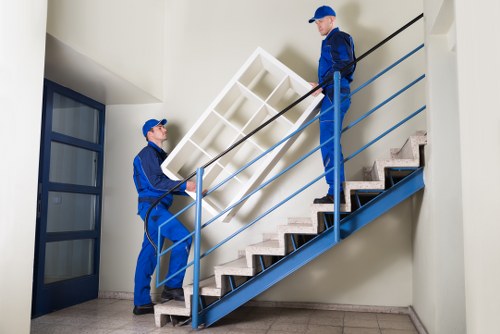 They should be updated when equipment changes, staff members are assigned new responsibilities, or site conditions shift. Regular review allows businesses to respond to new hazards before they lead to incidents. In addition, records of assessments can support better communication between supervisors and workers, making it easier to understand what precautions are required. A consistent risk assessment process shows that safe working is part of the culture, not an afterthought.
Alongside formal procedures, day-to-day supervision helps maintain standards. Managers and team leaders should check that procedures are being followed, equipment is in good condition, and PPE is used correctly. If a hazard appears, work should pause until the issue is addressed. This practical oversight strengthens public liability insurance readiness because preventing incidents reduces the chance of claims and operational delays. Good supervision also helps newer staff build safe habits more quickly.
Safety culture matters just as much as documentation. If workers feel encouraged to report hazards, ask questions, and speak up when something looks wrong, risks can be resolved early. Clear communication helps everyone understand responsibilities, from wearing protective items to following site rules. In a strong insurance and safety environment, procedures are understood, respected, and consistently applied. That reliability is valuable for clients, staff, and the wider public alike.
Maintaining suitable cover, training teams effectively, and using the correct protective equipment all contribute to a safer working environment. When these elements are supported by a thorough and regularly reviewed risk assessment process, the result is a more resilient and professional service.  Businesses that prioritise insurance and safety management are better prepared for both routine tasks and unexpected challenges, while also protecting the people who rely on them.
 In practice, the best approach is a joined-up one: public liability insurance provides financial protection, staff training builds competence, PPE reduces exposure to harm, and risk assessments guide decision-making. Together, these measures create a dependable foundation for safe, responsible operations. For any organisation committed to quality, investing in insurance and safety procedures is one of the most effective ways to protect people and maintain trust.